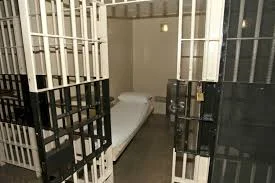
We are called to stand with those who are sick and those in prison (Matthew 25).
Issue 1 will help get more people into treatment instead of incarceration. By focusing and investing on treatment, we can help those struggling with addiction.

Read the Latest
from your faith-based advocacy network.
There are many people speaking publicly against issue 1. They are saying things that cause fear and doubt over issue 1. The reality is that changing our system is hard for a lot of people and institutions who have been involved with it for so long. But the status quo doesn’t make our communities safe or healthy. Issue 1 seeks to fix that.
See below for some helpful ways to respond to the common arguments against issue 1.
They say - Ohio will be a haven for drug dealers
Issue 1 addresses low-level, non-violent drug possession charges. Those who are exploiting our communities for profit will still be charged to the fullest extent of the law. We need to save the beds in our prisons for those who seek harm, not those who have been harmed. Issue 1 will allow us to provide the treatment we need.
They say - You can kill thousands of people and not go to jail with fentanyl.
Drug dealers seek to exploit those who are most vulnerable in our communities. Even small amounts of fentanyl will still be classified as felonies and result in those who do harm going to prison.
They say - This doesn’t belong in the Constitution
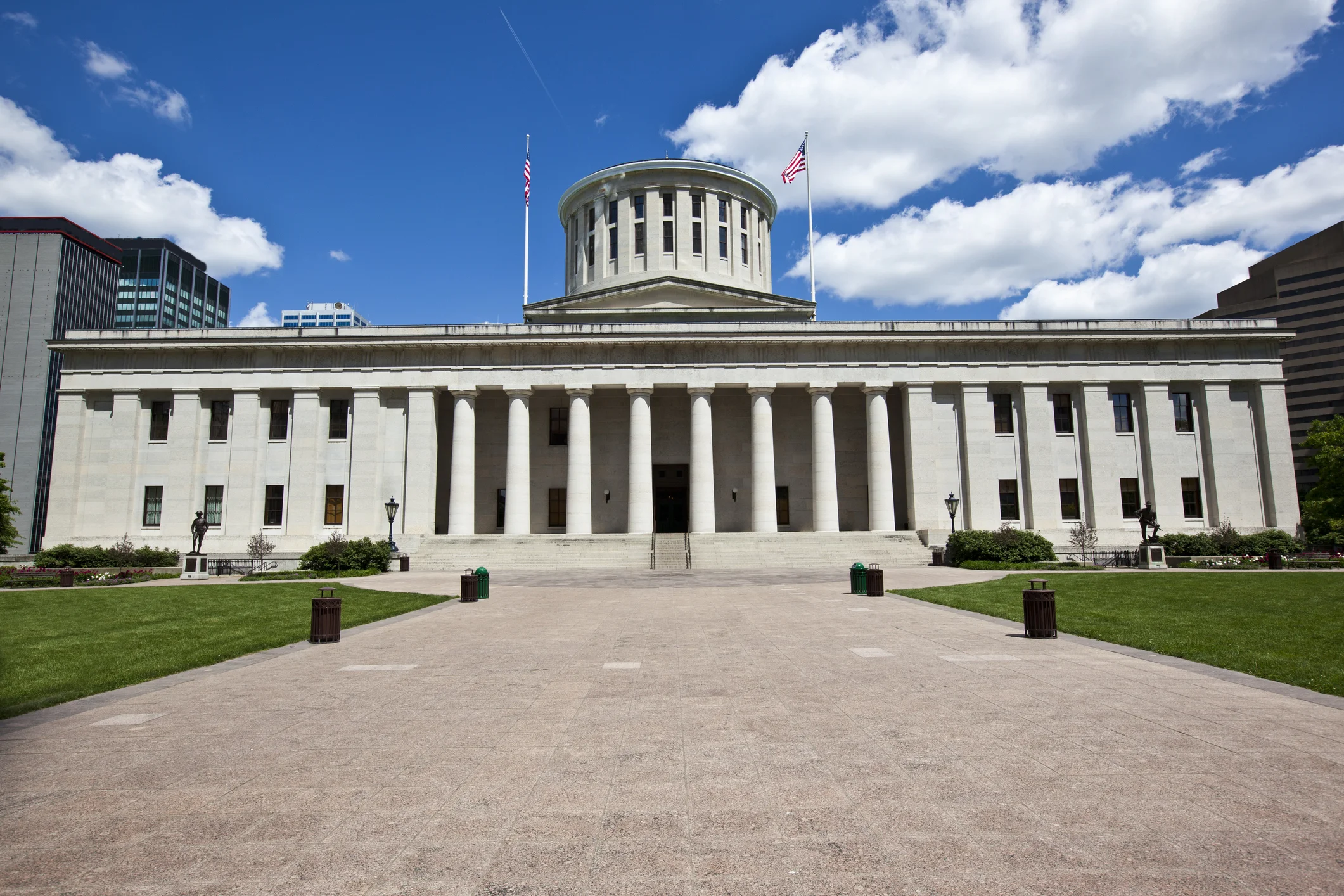
The Legislature, the Governor, the Attorney General, and many others have failed to act to address our criminal justice system inadequacies and shortcomings. In their failure to act, Ohio citizens designed an Ohio solution. Even the outgoing Director of Ohio’s prisons recently said that he regrets the explosion in prison population.
They say - What about another idea?
The Legislature and political leaders have had years to fix the problem of an unjust justice system and they have ignored it. All of a sudden, they have new ideas. People need treatment today.
The Hunger Network in Ohio encourages communities of faith to vote YES on Issue 1 this November. As people of faith, we believe that those who are sick should be cared for, not punished. We believe in redemption and restoration of people who are struggling. Re-orienting our drug policies toward treatment over incarceration will make Ohio communities healthy and safe.
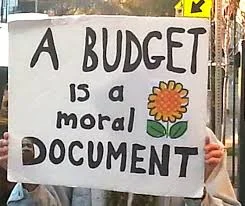
As people of faith, we value a budget that will help guarantee everyone 'their daily bread'. As Luther describes in his Small Catechism, this means that people should have access to the basic necessities of life. We need a state budget that promotes good health, access to food, a quality education, and safe communities.
If among you, one of your brothers should become poor, in any of your towns within your land that the Lord your God is giving you, you shall not harden your heart or shut your hand against your poor brother, but you shall open your hand to him and lending him sufficient for his need, whatever it may be.”
Deuteronomy 15:7-8
The Ohio General Assembly plans to pass legislation in the next 2-3 weeks to change Ohio's unemployment compensation system. There are many concepts on what the bill will look like floating around the Ohio Statehouse. However, the new legislation has not been introduced yet.
Background: Unemployment compensation provides support for working Ohioans who are laid off because the company had to reduce staff, or close altogether. It is designed (and works!) as a bridge between one job and the next for hard-working Ohioans.
Ohio's unemployment system is funded by the unemployment insurance tax paid by employers into a fund. However, the underlying solvency of Ohio's program isn't sufficient to handle a recession. During the Great Recession, Ohio had to borrow money from the federal government (as did other states) to cover the costs. Most states were able to pay off their debt quickly, but Ohio struggled. This required Ohio businesses to pay a higher cost until it was paid off. Earlier this year, Ohio used surplus funds to finish paying off the debt.
The Issue: Now that the immediate debt has been repaid, Ohio leaders should sit back and figure out a long-term fix to the underlying structural issues with Ohio's system. However, current proposals (Such as HB 394) threaten to reduce weeks of eligibility, benefit levels, or even those who are eligible for the support. As people of faith, we believe any fix should: